Why do my concrete sidewalks crack, even new ones?
This is probably the most common question I get, and it's a really good one. Concrete cracks for a few key reasons, especially here in Madison. First off, concrete shrinks as it dries out. It's just a natural part of the curing process, and if it dries too fast, or if the proper control joints aren't cut into it, you're definitely going to see cracks. Think of control joints as these pre-planned weak spots that kind of encourage the concrete to crack neatly along a line, instead of randomly all over the place. If a contractor skips these, or puts them in wrong, you'll absolutely pay for it later.
Another huge factor for us here in Madison is our notorious clay soil. That stuff expands big time when it gets wet and then shrinks right back down when it dries. This constant movement underneath your sidewalk puts a lot of stress on the concrete, eventually leading to cracks, uneven slabs, or even sinking. Combine that with our fluctuating temperatures – hot summers make concrete expand, cold winters make it contract – and you've got a perfect recipe for movement and stress. What a headache, right?
What's the deal with those lines in my sidewalk? Are they cracks or something else?
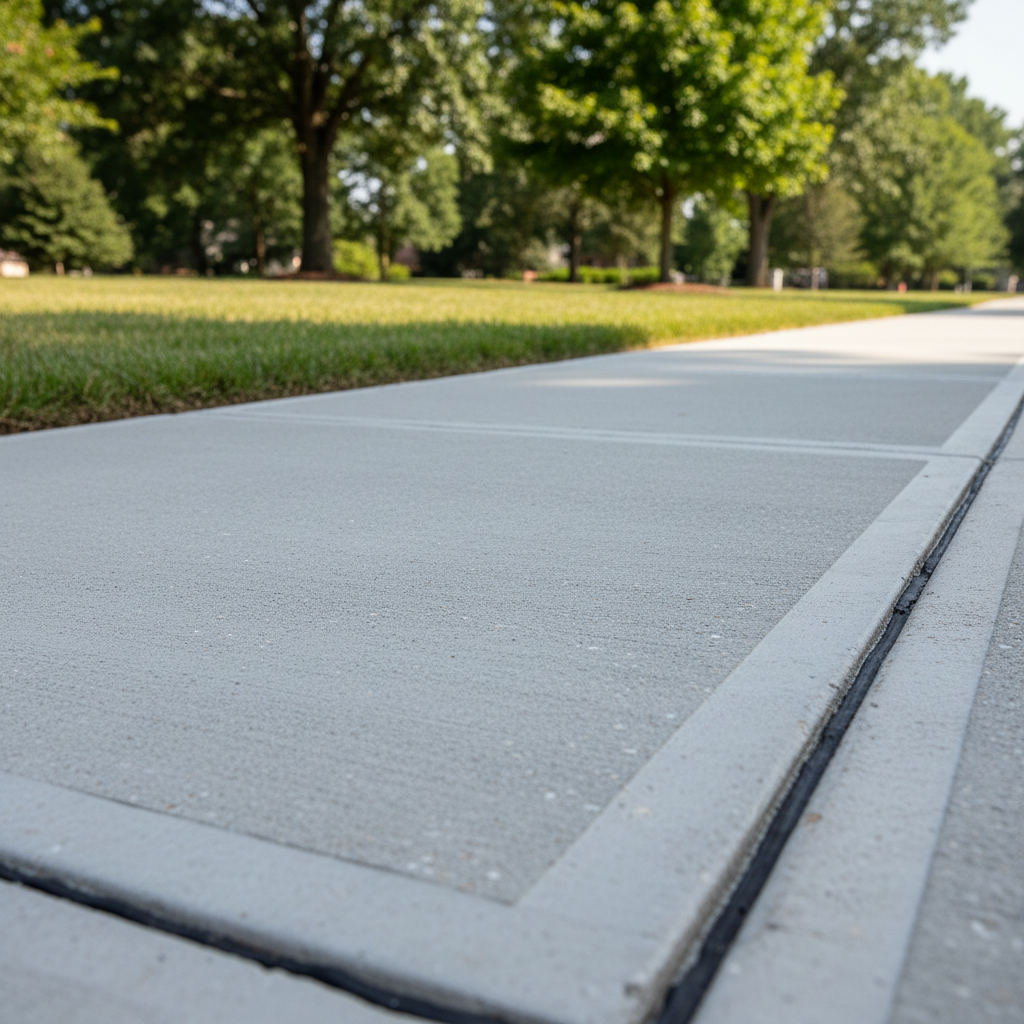
Ah, you're talking about expansion joints and control joints. They're not cracks at all; actually, they're put there specifically to prevent those ugly, random cracks. Expansion joints are basically gaps filled with a squishy material that let the concrete slabs expand and contract freely with temperature changes. This way, they don't push against each other and buckle. Without them, your sidewalk would heave and crack much, much more easily.
Control joints, on the other hand, are just grooves cut into the concrete surface. They create these weakened planes that encourage any shrinkage cracks to form along those lines, keeping them neat and less noticeable. Both are super critical for a long-lasting, good-looking sidewalk, especially with our climate. If you see these lines, it means your contractor really knew what they were doing.
My sidewalk is uneven and I'm worried about tripping. Do I need to replace the whole thing?
Not necessarily! Uneven sidewalks are a big safety hazard, and you're absolutely right to be concerned. Often, this happens because the soil underneath settles or shifts, or sometimes tree roots push things up. Before you jump to a full replacement, consider concrete lifting or leveling. It's sometimes called slab jacking or polyjacking. This is where we inject a material, usually a polyurethane foam, underneath the sunken slab to lift it back into place. It's typically less invasive and more cost-effective than tearing out and repouring the whole section. We do a lot of this work at Prime Concrete Co, and honestly, it can really save you a headache and a lot of money.
How long should a concrete sidewalk actually last?
A well-installed concrete sidewalk, with proper care and maintenance, can last a good 25 to 30 years, sometimes even 40 years. Some sources even say up to 50 years, which is pretty impressive. But that's if it's done right from the start, you know? Things that shorten its life include poor sub-grade preparation, bad drainage, not curing it properly when it was poured, and skipping the sealing. If you've got constant heavy traffic, that'll wear it down faster too. Here in Madison, with our clay soils and temperature swings, those 25-30 years are a pretty realistic expectation for a quality job.
Should I seal my concrete sidewalk? And how often?
Absolutely, you should seal your concrete sidewalk! Think of it like sunscreen for your concrete. Sealing creates a barrier that protects against moisture, stains, and the general wear and tear from weather. It helps keep water from soaking in and causing damage during our occasional freeze-thaw cycles, and it makes it harder for oil or other spills to stain. Plus, it just keeps it looking better for longer. I recommend a good quality penetrating sealer every few years, typically every 2-3 years for sidewalks, depending on traffic and how much sun it gets. It's a small investment that really extends the life and look of your concrete, no kidding.
What can I do about water pooling on or around my sidewalk?
Water pooling is a big problem for concrete sidewalks. It can erode the soil underneath, leading to sinking and cracking – a real mess. The first thing to check is your home's drainage. Make sure your downspouts are extended and directing water well away from your sidewalk and foundation. If water is constantly running off your roof right onto or next to the concrete, you're just asking for trouble. Good grading around your home is also key; you want water to flow away from the house and any flatwork. If you've got persistent pooling issues, you might need to look into more extensive drainage solutions like French drains or re-grading the area. The City of Madison's Public Works department handles drainage issues outside of new developments, so you could also reach out to them if it's a larger problem. But for your property, managing that water is probably the single best thing you can do to protect your concrete.