Building a new home or even tackling a big renovation here in Madison, AL? One of the most important decisions you'll make is about the foundation. It's literally the groundwork for everything else, and, honestly, you really don't want to mess it up. Most folks around here usually look at two main options: a slab-on-grade foundation or a crawl space. Let's talk about what each one means for your home, your wallet, and, well, your peace of mind.
Slab-on-Grade: Right on the Ground
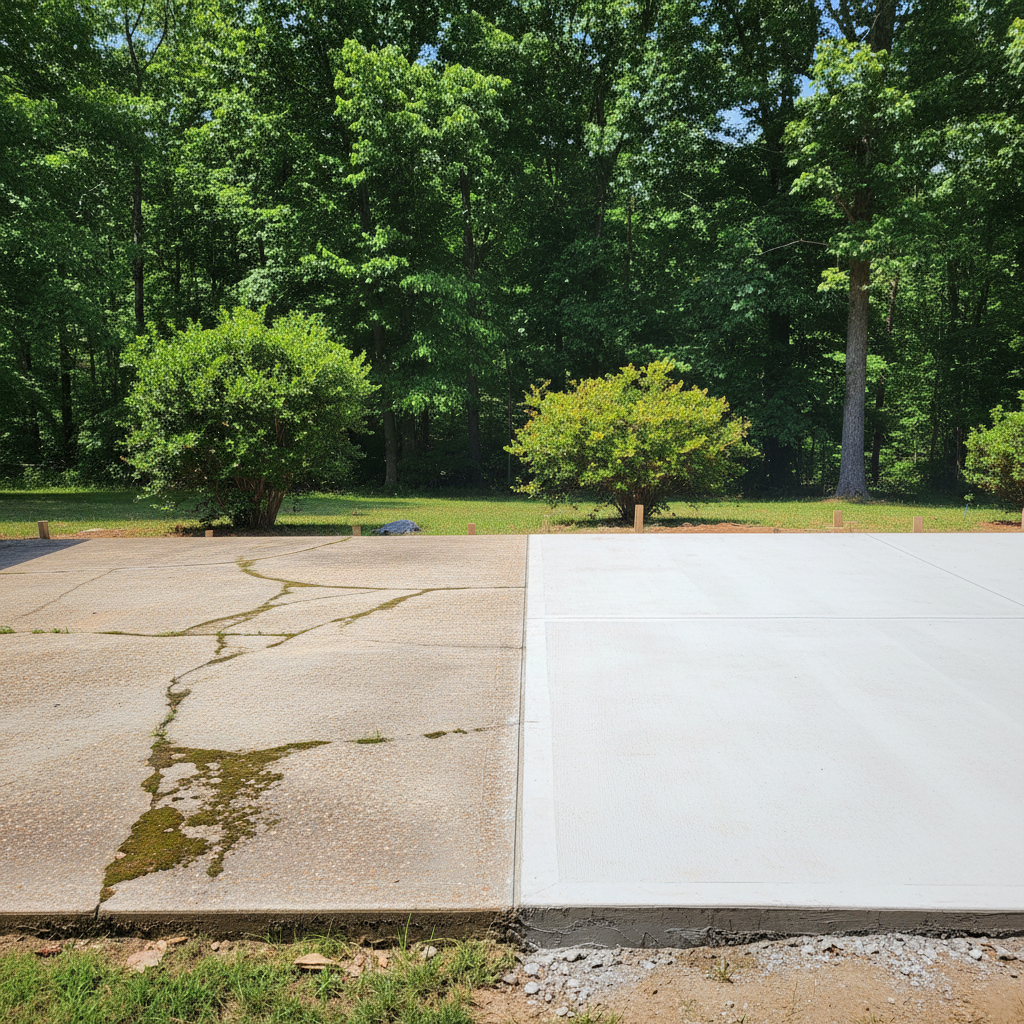
A slab-on-grade foundation is pretty much exactly what it sounds like: a thick, reinforced concrete pad poured right onto the ground. Your house just sits directly on top of it. It's a common choice, especially in warmer spots like ours.
Cost
First off, a slab foundation is generally the cheaper way to go. It needs less digging and fewer materials compared to a crawl space. You're usually looking at something like $4 to $14 per square foot for a slab. A crawl space, though, can easily run you $5 to $16 per square foot—or even more if you're doing encapsulation. That means a slab can save you thousands of dollars right at the start.
Durability
When it's built correctly, a slab is incredibly tough. We're talking 50 to 100 years, easily, assuming proper construction and stable soil. There aren't any wooden floor joists to worry about, so you're less likely to deal with wood rot or termite damage. But, slabs can have trouble if the soil underneath isn't stable. Here in Madison, we've got that reactive clay soil that swells when it's wet and shrinks when it dries. That constant pushing and pulling can really stress a slab, leading to cracks if it's not designed specifically for our local conditions.
Maintenance
Maintaining a slab is usually pretty simple. You don't have a hidden space underneath to worry about, which means fewer concerns about moisture, mold, or pests getting in. The downside? If you have a plumbing leak or need to get at electrical lines buried in the slab, it's a huge pain. We're talking about breaking through concrete, which is messy and expensive.
Appearance
From a looks perspective, a slab foundation means your home sits lower to the ground. Often, you get a zero-step entry, which is great for accessibility. However, it might not offer as much curb appeal if you prefer a house that's elevated a bit.
Crawl Space: Up Off the Ground
A crawl space foundation lifts your home a few feet off the ground, creating a shallow, accessible area between the earth and your first floor. Think of it as a small basement you can, well, crawl into.
Cost
Like I said, crawl spaces typically cost more upfront than slabs. The extra digging, materials for stem walls, and framing for the floor system all add to the labor and material costs. You're looking at that $5 to $16 per square foot range. Some folks argue, though, that easier access for repairs and upgrades down the road can make up for some of that initial expense.
Durability
Crawl spaces can be very durable, lasting many decades with good construction and maintenance. They also work better on sloped lots or in areas with less stable soil, since the elevated structure can adjust more easily to uneven ground. The biggest durability problem with crawl spaces, especially in a humid place like Alabama, is moisture. An unsealed or poorly ventilated crawl space can become a perfect spot for mold, mildew, and wood rot, which can really hurt your home's structure over time.
Maintenance
This is where crawl spaces really shine for some homeowners. Having that accessible space underneath means plumbing, electrical, and HVAC systems are easy to reach for repairs, maintenance, or upgrades. No jackhammering through your living room floor! But this easy access comes with a trade-off: you've got to actively manage that space. Regular checks for moisture, pests, and good ventilation are super important. Investing in encapsulation and a dehumidifier for your crawl space is almost a necessity here in Madison to fight our humidity and those expansive clay soils.
Appearance
A crawl space elevates your home. This can give it a more traditional look and often better curb appeal, especially with certain architectural styles. It also offers a little protection from minor surface flooding.
My Recommendation for Madison, AL Homeowners
Considering our specific conditions here in Madison, Alabama—that humid climate and those well-known expansive clay soils—my recommendation leans towards a well-built and properly encapsulated crawl space foundation.
Why? While a slab is cheaper initially and seems to have fewer immediate maintenance headaches, the long-term risks with our soil and the potential nightmare of in-slab utility repairs make me pretty uneasy. Those red clay soils in the Tennessee Valley aren't going anywhere, after all, and they'll always be a factor. A crawl space, when designed and kept up correctly with proper encapsulation, gives you:
- Better access for repairs: This is a huge deal. When a pipe bursts or you need to re-route something, you'll be so glad you have it.
- More adaptability to soil movement: It's not completely immune, but the structure can handle some of that shrink-swell better.
- Protection from moisture (if encapsulated): An encapsulated crawl space with a vapor barrier and dehumidifier is your best defense against the humidity and ground moisture that can really mess up a home.
- Elevation: It just feels a bit safer from surface water, which we get plenty of during our summer storms.
Yes, the initial cost is higher, and you'll need to be careful about maintaining that encapsulated space. But for the long-term health and structural integrity of your home in Madison, I truly believe the benefits of a well-managed crawl space outweigh the upfront savings of a slab. At Prime Concrete Co, we've seen firsthand the problems that pop up with both types, and for our area, the flexibility and protection a good crawl space offers are tough to beat.